Artemisia
bitter silvery herb, sharp and slightly camphorous. Wormwood, the absinthe plant
In 32 of 1747 fragrances here, most often worn in winter
What it is
Wormwood, the plant behind absinthe. Thujone, its notorious component, is tightly restricted.
What it smells like
Bitter and silvery with a camphorous sharpness. It is one of the least ingratiating materials in use and is deployed to give a fragrance an austere, slightly cold opening.
Where it sits
Which layer of the pyramid it is listed in, across every fragrance here that carries it. A base note is one you smell for hours; a top note is usually gone within the first.
What it turns up with
How much more often than the catalogue average. 1.0x would be chance, so these are the things that genuinely travel with it rather than the things that are simply common.
When it is worn
Against the average fragrance here. The line marks that average, so a bar past it means this is worn in that season or setting more than most.
Houses that use it most
Counted across the fragrances here, which reflects what we cover as much as what a house makes.
Jean Paul Gaultier (6), Rasasi (6), Nishane (4), Bvlgari (2), Prada (2), Tom Ford (2).
The description above is written here. The counts, pairings and seasons are measured across every fragrance on this site that lists it. We have not smelled every bottle behind those numbers.
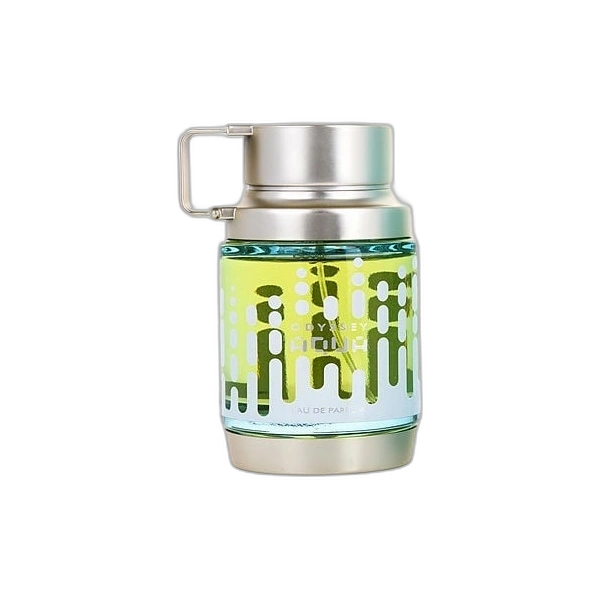
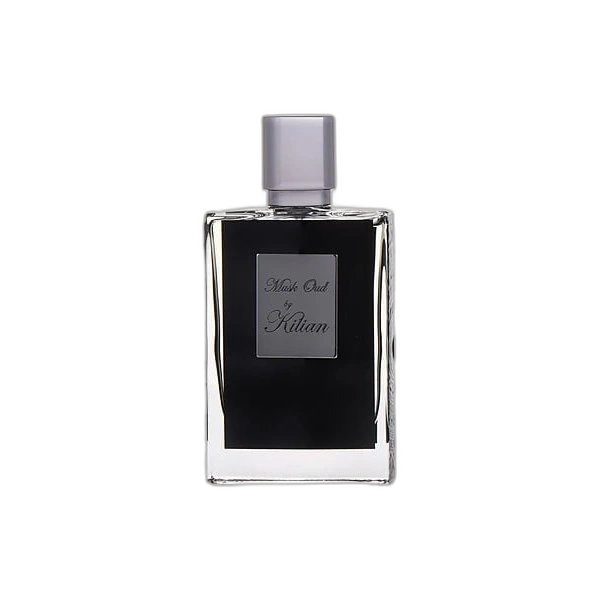
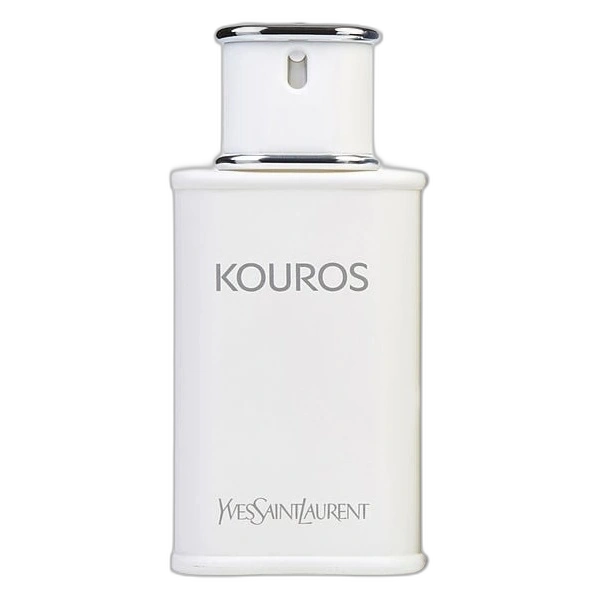
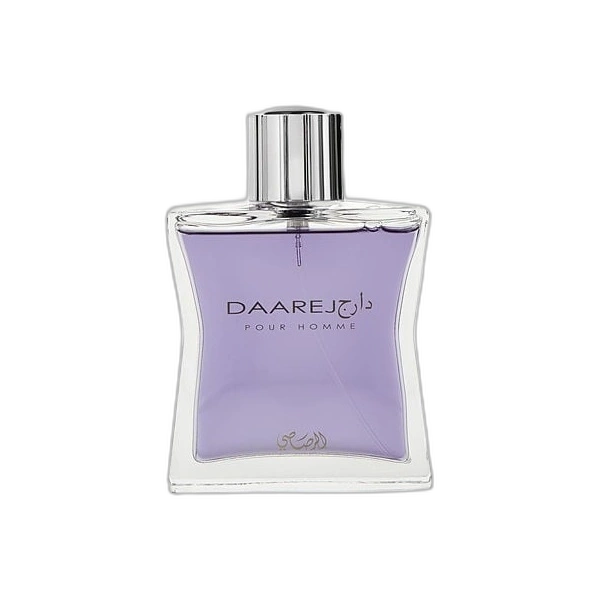
Fragrances with artemisia
The best known of them, each with its full note pyramid and its cheaper alternatives.
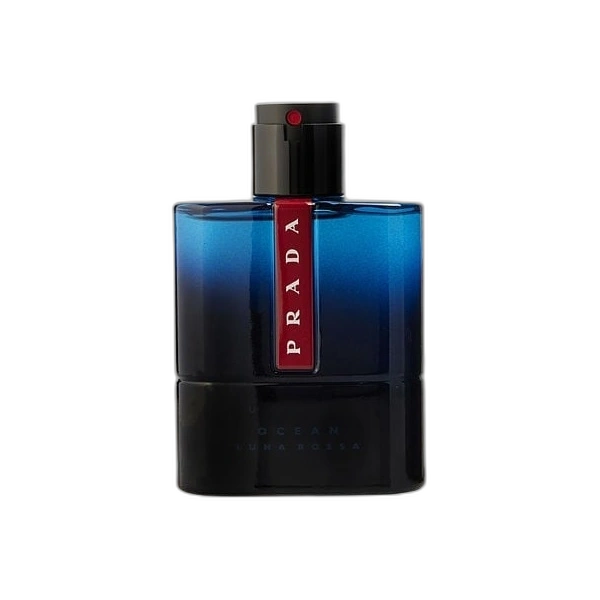
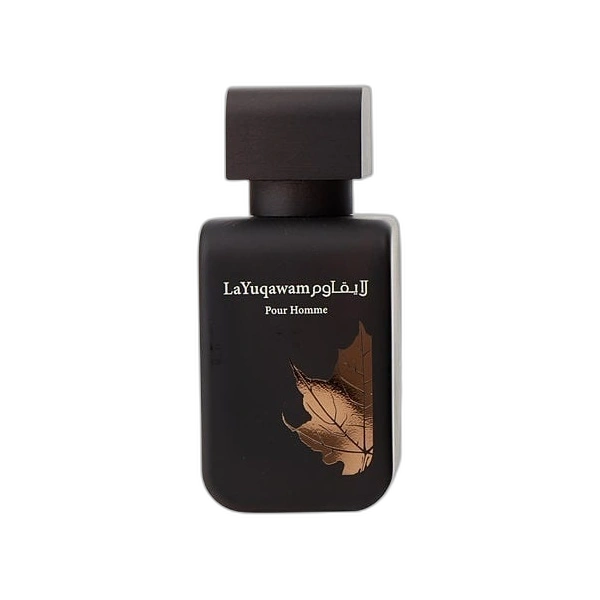
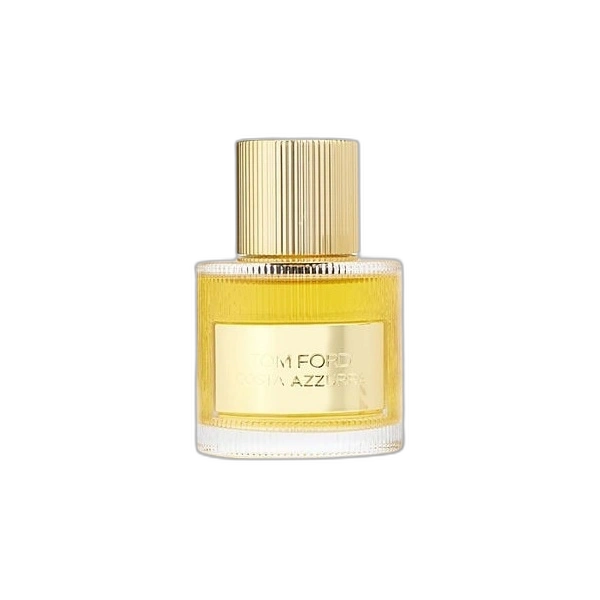
Tom Ford
Tom Ford Costa Azzurra
Availability may vary
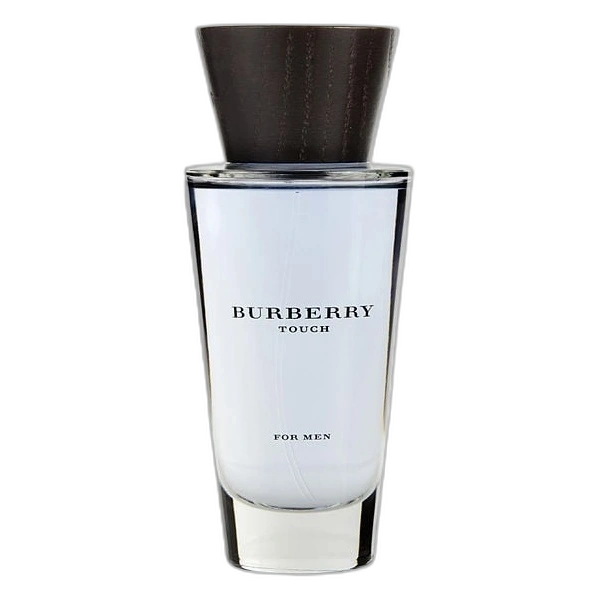
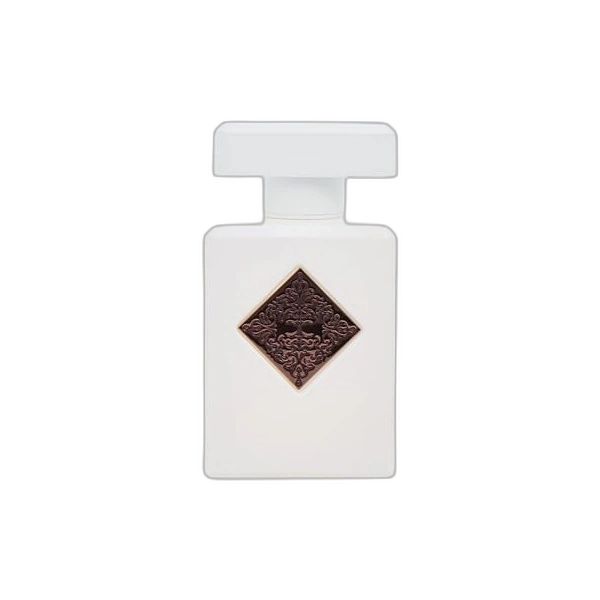
Initio Parfums Prives
Paragon
Availability may vary
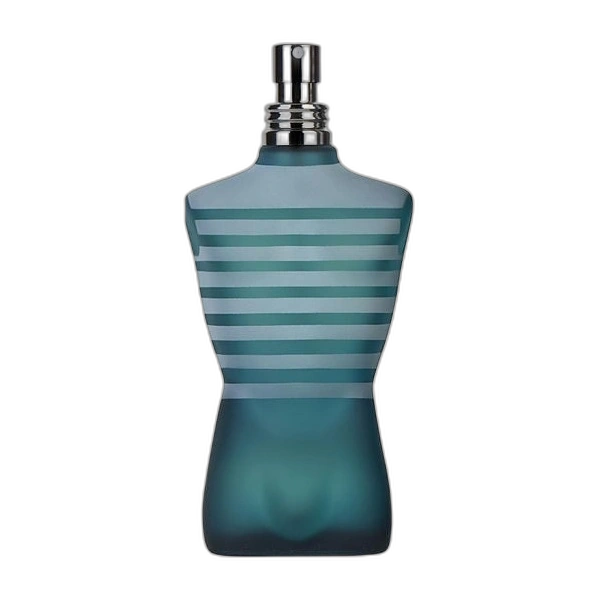
Jean Paul Gaultier
Jean Paul Gaultier
Availability may vary
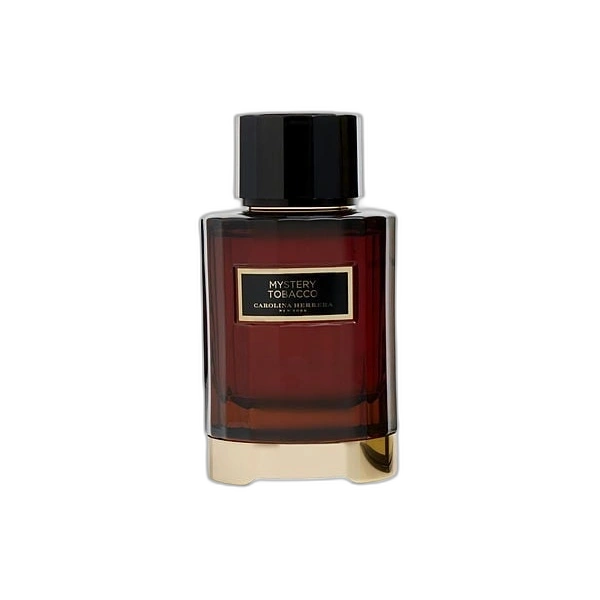
Carolina Herrera
Carolina Herrera Mystery Tobacco
Availability may vary