Lily-of-the-valley
small white flower, fresh and dewy green. The real flower yields no oil, so this is always recreated
In 126 of 1747 fragrances here, most often worn in spring
What it is
The flower yields no oil at all, so this note has only ever existed as a reconstruction. It is the classic example of a smell perfumery had to invent rather than extract.
What it smells like
Fresh, green and dewy, with a faint soapiness. It was everywhere in the 1980s and 1990s and now reads as slightly formal, and because it was always synthetic no two houses' versions agree on quite what it should be.
Where it sits
Which layer of the pyramid it is listed in, across every fragrance here that carries it. A base note is one you smell for hours; a top note is usually gone within the first.
What it turns up with
How much more often than the catalogue average. 1.0x would be chance, so these are the things that genuinely travel with it rather than the things that are simply common.
When it is worn
Against the average fragrance here. The line marks that average, so a bar past it means this is worn in that season or setting more than most.
Houses that use it most
Counted across the fragrances here, which reflects what we cover as much as what a house makes.
Chanel (8), Calvin Klein (7), Givenchy (7), Ajmal (6), Giorgio Armani (6), Hermes (5).
The description above is written here. The counts, pairings and seasons are measured across every fragrance on this site that lists it. We have not smelled every bottle behind those numbers.
Fragrances with lily-of-the-valley
The best known of them, each with its full note pyramid and its cheaper alternatives.

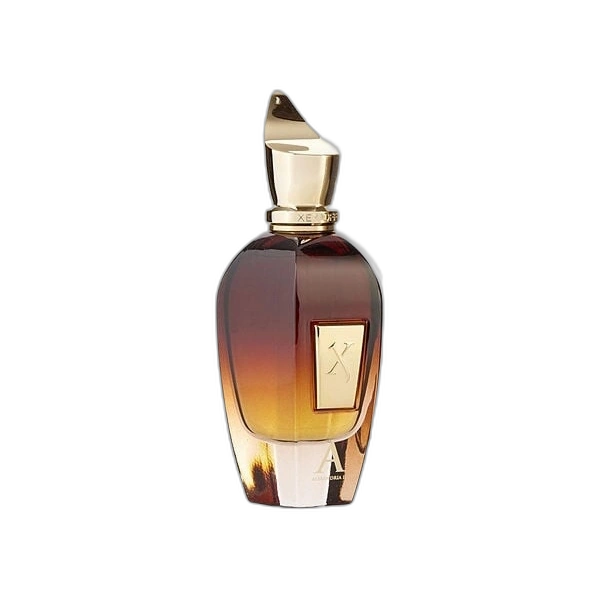
Xerjoff
Xerjoff Alexandria Ii
Availability may vary
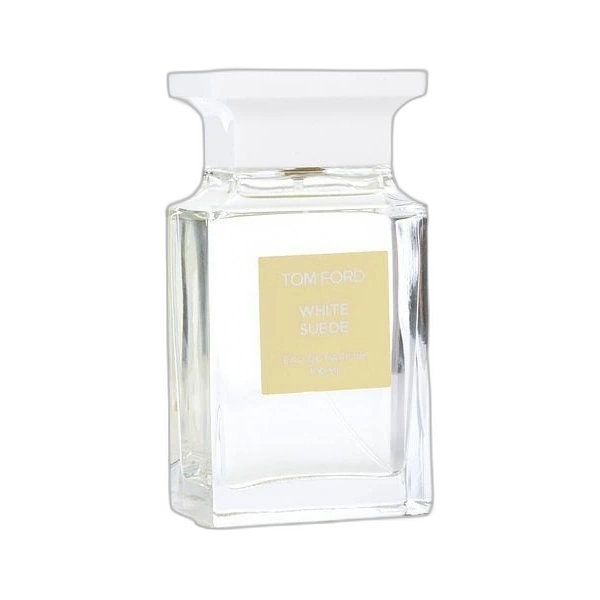
Tom Ford
Tom Ford White Suede
Availability may vary
Tom Ford
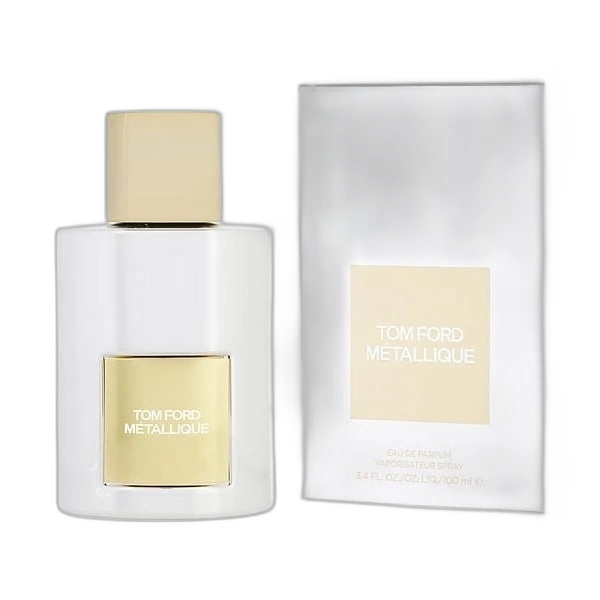
Tom Ford Metallique
Availability may vary